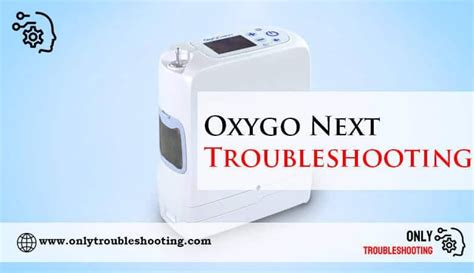
Portable Oxygen Concentrators (POCs) like the OxyGo NEXT offer the autonomy and mobility to lead an active life while receiving crucial oxygen therapy. Proper battery nurture and charging practices are crucial to ensure your OxyGo NEXT performs optimally. Here’s how to keep your POC battery in top shape.
Understanding Your OxyGo NEXT Battery
Types of POC Batteries
The OxyGo NEXT uses rechargeable lithium-ion batteries, renowned for their longevity and reliability. These batteries power the device, providing up to 6.5 hours of operation with a single battery and up to 13 hours with a double battery on a full charge.
Battery Life Expectancy
The expected lifespan of an OxyGo NEXT battery is approximately 500 full charge/discharge cycles. Regular maintenance and proper charging can help maximize battery experience, ensuring your POC remains reliable.
Essential Battery Care Tips
Regular Charging
To maintain the health of your POC battery, it is crucial to charge it regularly. Avoid letting the battery completely drain before recharging, as this can shorten its lifespan.
Tip: Recharge your battery when it reaches around 20-30% remaining power to prolong its life.
Avoid
Troubleshooting Guide: What Does A Yellow Light Mean On Oxygen Concentrators?
Common Causes for a Yellow Light Alert
When the yellow light on your oxygen concentrator illuminates, it’s a signal that shouldn’t be ignored. This alert is designed to capture your attention and indicate that something within the system requires your attention. Let’s explore some of the most common causes that might trigger this alert, providing you with the knowledge to understand and address the issue effectively.
Low Oxygen Purity and Its Implications
One of the primary reasons an oxygen concentrator might display a yellow light is due to low oxygen purity. This is a significant concern because the whole point of using an oxygen concentrator is to receive a steady flow of high-purity oxygen. Here’s why this matters:
Oxygen therapy effectiveness relies on delivering a certain level of oxygen purity to the user.
If the purity level drops, it could mean the user is not receiving the therapeutic amount of oxygen needed.
User risks include potential health complications due to insufficient oxygen intake.
When faced with this issue, it’s important to
High Priority Alerts (Continued)
Description
System COLD
System Error
6. Troubleshooting
Problem
Any problem accompanied
by information on
concentrator display,
indicator lights and/or
audible signals
Concentrator does not
power on when On/Off
button is pressed
No oxygen
Display Icons
Possible Cause
Refer to Chapter 5
Battery is discharged or no
battery is present
AC Power supply is not
connected properly
DC Cable is not connected
properly
Malfunction
Concentrator is not
powered on
Cannula is not connected
properly or is kinked or
obstructed
Condition/Action/Explanation
This may result from the concentrator being
stored in a cold environment (below 0ºC (32ºF)).
Move to a warmer environment to allow the
unit to warm up before starting it. If condition
persists, switch to a backup source of oxygen
and contact your equipment provider.
Concentrator has stopped producing oxygen
and is shutting down. You should:
1. Switch to backup oxygen source
2. Contact your equipment provider
Recommended Solution
Refer to Chapter 5
Use external power supply or
replace battery with one that
is fully charged
Check power supply
connection and v
[embed]https://youtu.be/qUvzx-C4yOk[/embed]
How to Care for Your OxyGo NEXT
OxyGo NEXT is the newest addition to the line of portable oxygen concentrators (POCs) provided by OxyGo. It was created to provide the user with the ease of not only a small compact device, but one that is easily serviceable, too.
For patients and providers, servicing the OxyGo NEXT is extremely simple. An important tip to remember when taking care of your concentrator is to keep the inlet filters on the outside clean and free of dirt, debris, and animal dander. A clean filter allows full airflow to the unit.
Keeping your filter clean is done by simply removing the filters from the outside of the concentrator, rinsing them out with dish soap and warm water, and allowing them to dry before placing them back on the unit.
We recommend you clean your filter at least once a week or more frequently if necessary.
It is important to keep the body of your portable oxygen concentrator clean. Wiping the exterior of the unit down every now and then will help increase the life of your concentrator. Keeping your concentrator inside its protective carrying case can also help keep t
For Oxygo Next troubleshooting, ensure the device is fully charged and check for any error codes on the display. Oxygo Next is a portable oxygen concentrator designed to provide oxygen therapy on the go.
Users may encounter issues such as low oxygen output, alarm sounds, or display errors. Common troubleshooting steps include checking the battery level, ensuring the cannula is properly connected, and consulting the user manual for specific error codes. Regular maintenance and proper usage can prevent many common problems.
Keep the device clean and ensure air filters are not clogged. Always have a backup oxygen source available. For persistent issues, contact customer support or a medical professional. Proper troubleshooting ensures reliable oxygen therapy and peace of mind.
Common Issues
Oxygo Next is a vital device for many people. Still, like any technology, it can face problems. Below we tackle some common issues you might encounter.
Power Problems
Power issues are common with Oxygo Next. Here are some quick fixes:
Check the battery: Ensure the battery is charged. Replace if necessary.
Power cord: Inspect the power cord for damage. Use a different outlet.